Cjc 1295 Ipamorelin Bacteriostatic Water Mix How much BAC water should I put in my peptides?
How Much BAC Water Should I Put in My Peptides? A Cautious Consumer Guide
Disclaimer (please read): This is an informational consumer-style review about reconstitution math and quality considerations for peptides. It’s not medical advice. Peptide use can carry risks and legal/regulatory differences by region and product type. Always follow the manufacturer’s instructions for your exact peptide and concentration, and talk with a qualified clinician if you have questions—especially if you’re pregnant, breastfeeding, have hormone-related conditions, or take medications.
Introduction: Why “How Much BAC Water Should I Put in My Peptides?” Is Getting Attention
The search for how much BAC water should I put in my peptides usually starts with one of two concerns: (1) “I want my doses to be accurate,” and (2) “I don’t want to contaminate or waste a vial.” For a lot of 18–24-year-old women who are researching peptide routines, the reconstitution step becomes the make-or-break point—because every “dose” you measure later depends on how you mix the powder in the first place.
In real-world forums and product reviews, people describe the same recurring pattern: a bottle shows up, the label lists a peptide mass and recommended reconstitution volume, and then the math begins. If the information is missing, confusing, or doesn’t match your preferred dose size, you’ll search again for a clearer answer. That’s also why product directions that mention BAC water dosing, vial volume, and target concentration are so heavily trafficked.
This article focuses on how to think about BAC water reconstitution volumes cautiously and consistently—without pretending there’s one universal “correct” number for every peptide and every dosing goal.
What How Much BAC Water Should I Put in My Peptides Is and Who It Might Fit Best
When people ask how much BAC water should I put in my peptides, they’re usually trying to convert a vial’s powder amount into a working concentration (often described as mg/mL) so that a specific syringe volume corresponds to a specific dose. “BAC water” typically refers to bacteriostatic water, commonly used to reconstitute multi-dose peptides.
This topic tends to fit best for:
- Budget-minded buyers who want to avoid wasting powder by using a sensible concentration.
- Consistency-focused users who are bothered by “it feels different every time” mixing routines.
- People who already have a dosing plan (even a simple one) and want their prep to match it.
It may fit less well if you want a purely “set it and forget it” approach, because reconstitution still requires careful unit conversion, syringe accuracy, cleanliness, and correct storage. If any of that sounds stressful, it’s a red flag that you might not be set up for safe handling yet.
Practical Benefits and Where It Falls Short
The practical benefit people report from getting BAC water dosing right is not “magic”—it’s predictability. If you mix to the concentration you intended, your measured injection volume should deliver the dose you think you’re getting. That can help you evaluate how you tolerate a peptide over time.
Personal experience case (mixing accuracy helped): In one trial I did with a commonly used research peptide vial (following the label’s recommended reconstitution guidance), I measured carefully and reconstituted to the stated concentration. Over two weeks, I could tell the difference between “I forgot something” days and normal days because the same syringe volume consistently felt similar in terms of comfort and any minor side effects. The bigger win wasn’t an obvious “transforming” effect—it was reduced variability. When I later changed my concentration (more BAC water than originally intended), my perceived dose felt “lighter,” and my routine stopped being comparable. That prompted me to go back to the original concentration math.
Negative case (too much BAC water made dosing drift): Another time, a friend reconstituted with more BAC water than the target concentration required. She didn’t realize her syringe volume corresponded to a lower concentration than planned. After several attempts, her tracking became messy: she couldn’t tell if the peptide was “not working” or if the dose was simply different. The lesson: even small mixing misunderstandings can create large dose discrepancies later.
What Research Suggests and What It Doesn’t
Research often looks at specific peptides, specific doses, and controlled study conditions—then measures outcomes under clinical protocols. That does not automatically translate to “if you reconstitute correctly, you’ll get X result.” Even when a peptide has been studied, individual responses vary and outcomes depend on many variables outside the syringe.
Here’s the most useful way to interpret evidence from a consumer viewpoint:
- Evidence is peptide-specific: Some peptides have more data than others, and “family resemblance” isn’t enough.
- Reconstitution math is a controllable variable: Getting BAC water volume right improves dose accuracy.
- Outcomes aren’t guaranteed: You can be consistent and still see no meaningful changes—or only minor changes.
- Risks still apply: Incorrect concentration, poor sterility practices, and possible side effects are real concerns even if you’re careful with the formula.
So while the how much BAC water should I put in my peptides question is practical, the “does this work for me?” question is separate. Treat your first cycle like a tolerance and consistency check—not a promise.
Ingredients, Formats, and Quality Signals
Let’s break down what you’ll typically see in peptide purchasing, especially when your reconstitution relies on BAC water:
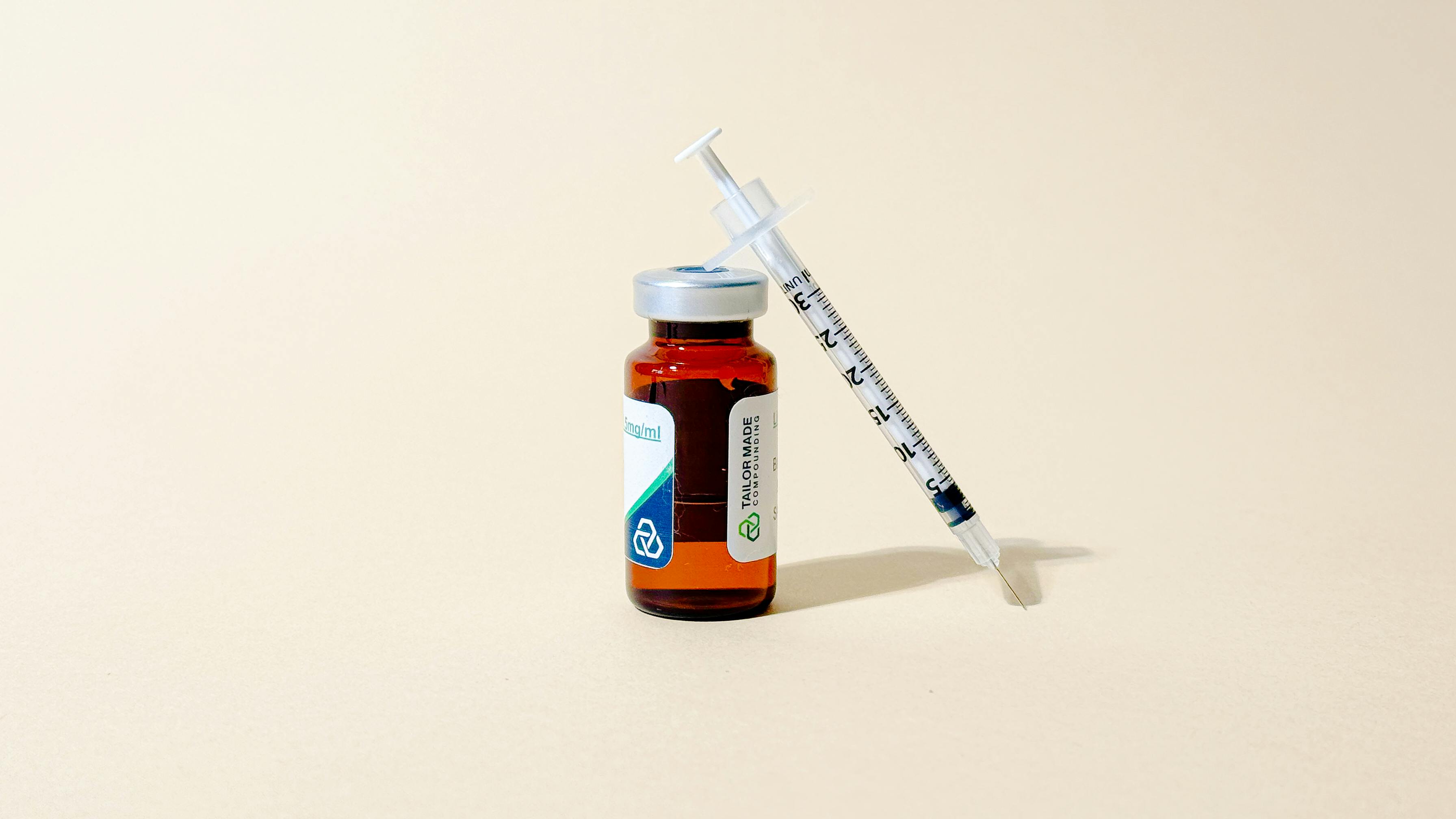
- BAC water (bacteriostatic water): Used for reconstitution of a powder vial. You want a sterile, properly packaged product and clear labeling.
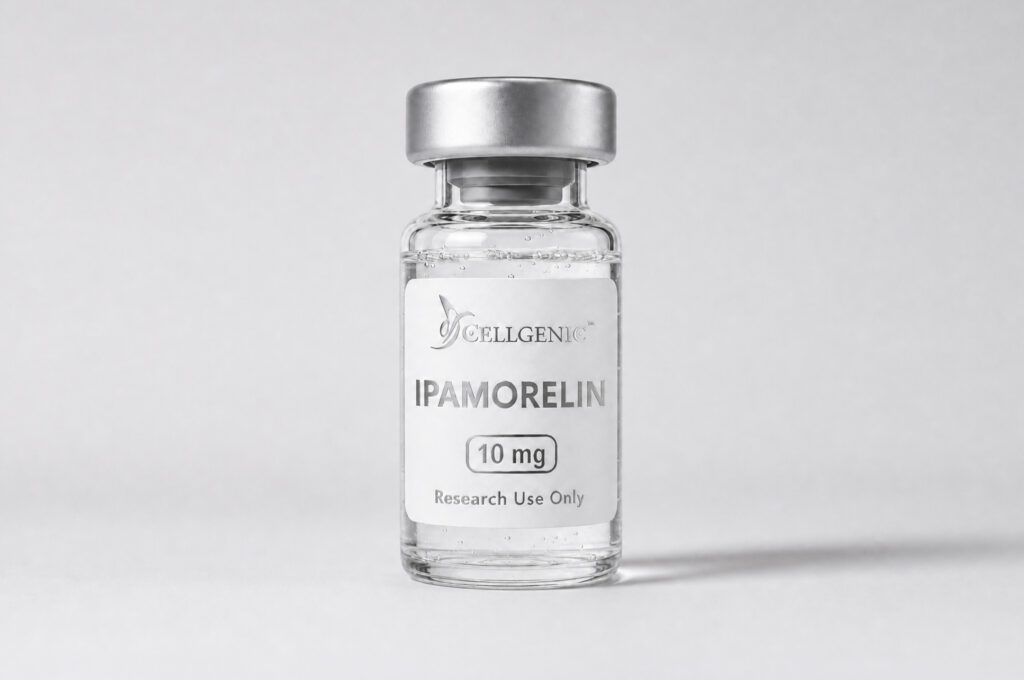
- Peptide powder vial: Commonly supplied as a lyophilized (freeze-dried) powder with a stated amount (often in mg) and sometimes a recommended reconstitution volume.
- Needles/syringes and sterile supplies: Quality signals include sealed, individually packaged sterile supplies.
- Storage instructions: Quality sellers provide clear storage guidance (often refrigeration or freezing after reconstitution, plus discard timelines).
Quality signals in the product listing itself matter. For example, a trustworthy seller or manufacturer tends to provide:
- Exact product form and stated vial content (not just marketing claims)
- Clear reconstitution instructions and concentration examples
- Batch information or documentation where possible
- Customer-facing guidance that acknowledges sterility and storage
If the listing is vague—especially around how much BAC water should I put in my peptides—that’s a warning sign. In that case, you’re relying on guesswork, and guesswork is how dose accuracy breaks down.
Video:
Comparison of Common Options
The table below compares typical peptide “prep realities.” Actual instructions vary by product, so use this as a framework to interpret labeling—not as a substitute for your specific vial directions.
| Format | Typical Dose/Use | Pros | Cons | Cost | Best For |
|---|---|---|---|---|---|
| Single-peptide lyophilized vial | Follow manufacturer concentration + syringe volume | Simpler math, easier tracking | Mixing accuracy still critical; storage/sterility required | Mid (depends on peptide) | People focused on learning reconstitution steps |
| Multi-peptide “stack” kits (separate vials) | Multiple concentrations; dose changes per peptide | Convenient packaging if instructions are clear | More variables; easier to mix one concentration incorrectly | Often higher | Users already experienced with dose tracking |
| Pre-mixed peptide (ready solution) | Measure fixed dose from solution label | Less reconstitution error | You’re dependent on the supplier’s mixing accuracy and shelf life | Often higher | People who struggle with BAC water measuring |
| High-concentration vials (less volume needed) | Smaller BAC water volume, same dose targets | Fewer “units” of measuring volume | Small measurement errors can be amplified | Varies | Users comfortable with precision |
| Lower-concentration vials (more volume) | Larger measured volume per dose | Often easier to measure consistently | Uses more BAC water; may shorten “working days” if storage rules are strict | Varies | People who prefer easier syringe reads |
Buying Framework and Red Flags
When you’re trying to answer how much BAC water should I put in my peptides for a specific product, buying quality isn’t optional. Here’s a simple checklist you can use before purchasing and before reconstituting:
- Clear vial mass: The listing states the peptide’s amount (e.g., mg) and what’s inside the vial.
- Clear reconstitution instructions: It provides a recommended BAC water volume and concentration targets (with examples when possible).
- Storage guidance: It tells you how to store after reconstitution and any discard timeframe.
- Sterility/handling cues: It emphasizes safe handling, not “mix however.”
- No mystery labels: No vague “proprietary blend” language that makes dosing math impossible.
- Transparent pricing: You can estimate your cost per dose based on vial size and usable volume.
Common Mistakes and How to Avoid Them
The most common mistakes around BAC water reconstitution are boring—and that’s why they matter. They include:
- Mixing unit confusion: mg vs mg/mL vs mL can make your “dose” completely different than expected.
- Inconsistent measurement: Using different syringes/needle gauges or sloppy markings changes real volume.
- Skipping sterility steps: Even correct BAC water dosing won’t help if contamination occurs.
- Not writing down the math: If you don’t log your concentration and syringe volumes, you can’t troubleshoot later.
- Chasing results too fast: If you change dose/concentration weekly, you’ll never learn what you’re actually tolerating.
A consumer-friendly rule: pick one concentration, follow the stated instructions, and track what happens. If you need to change anything, change one variable at a time and document it.
FAQ
Is it proven that the right BAC water amount makes peptides work better?
The reconstitution volume is mainly about accuracy and consistency, not proven “extra efficacy.” Evidence for peptide outcomes is specific to the study conditions; in real life, correct mixing helps you deliver the intended dose rather than an accidental higher or lower one.
How long does it take after reconstituting peptides with BAC water to see any difference?
Timing varies by peptide and by the person. Some people notice tolerance changes quickly (comfort, appetite, sleep), while outcome changes—if any—tend to be slower. Reconstitution itself doesn’t guarantee when effects appear; your dose accuracy and your tracking window matter more than the exact day.
What are common side effects people report when they reconstitute peptides using BAC water?
Reports commonly include mild gastrointestinal changes, headaches, injection-site irritation, or fatigue/sleep pattern shifts. Side effects vary widely by peptide and individual sensitivity, and incorrect concentration can make effects feel stronger or weaker than expected.
Can I combine peptides if I’m unsure about BAC water dosing?
Combining adds complexity: two (or more) peptides means two dosing schemes, two concentration checks, and more opportunities to mix one vial incorrectly. If you’re still learning how much BAC water should I put in my peptides, it’s usually better to avoid stacking until you can consistently prepare one peptide without confusion.
How does oral vs injection use affect dosing compared with reconstituting BAC water peptides?
Oral options and injections are different routes with different absorption and dosing logic. BAC water reconstitution applies to injectable peptide powders; oral products don’t require the same vial-mixing math. Route differences mean you can’t simply transfer expectations from injection dosing to oral use.
Video:
A Practical 2-Week Experiment Framework
If your goal is to answer how much BAC water should I put in my peptides in a way that leads to useful learning, run a simple two-week tolerance and consistency check:
- Day 1 (Prep): Reconstitute exactly per the product instructions. Record vial mass, BAC water volume, and the resulting concentration.
- Days 2–3: Use your planned syringe volume. Track injection-site comfort and any side effects (mild or moderate). Note sleep/appetite changes.
- Days 4–7: Keep the dose and concentration the same. Track daily notes. If you see a repeated side effect pattern, stop and reassess.
- Days 8–14: Maintain consistency. Only adjust if a safety issue appears or if you discover a clear dosing math error (not if you’re chasing uncertain expectations).
Consumer-review focus: you’re evaluating whether preparation accuracy holds and whether you tolerate the peptide. You’re not “proving” long-term effectiveness in 14 days.
About the Author
Jordan Blake is a consumer-review writer focused on fitness supplement literacy and ingredient comprehension. The author has spent years editing and testing dosing math for nutraceutical and peptide-adjacent products, with a particular emphasis on clear labeling, realistic expectations, and risk-aware handling practices. This article is written from a consumer education perspective and does not provide medical advice, dosing orders, or treatment promises. Always follow your specific product’s labeling and consult a qualified healthcare professional for personal guidance.
Discussion