Cjc 1295 No Dac Ipamorelin How long to see results on CJC-1295 Ipamorelin?
How Long to See Results on CJC-1295 Ipamorelin (Ipamorelin + CJC-1295 Blend) — A Cautious 2-Week Consumer Review
If you’re a 55+ woman searching how long to see results on CJC-1295 ipamorelin, you’re probably expecting a clear answer—then realizing timelines online vary widely. This article is written like a careful consumer review: what people often notice early, how long they wait before deciding “it’s not for me,” what went well, what didn’t, and the red flags I would not ignore.
CJC-1295 and ipamorelin are discussed together so frequently that many buyers end up comparing the blend to “one product, two targets.” The usual selling point is hormonal signaling related to growth hormone pathways. But the part that matters for your search intent is simple: how long to see results on CJC-1295 ipamorelin and whether early signals are realistic. People want a timeline they can trust enough to decide if the cost, the needles (or reconstitution), and the routine are worth continuing.
I’ll stay objective and cautious. “Results” can mean different things—better sleep, fewer cravings, improved workout recovery, or changes in scale/measurements. In a real-world consumer setting, the earliest changes (if any) are often not dramatic. For many women in their mid-to-late 50s, the first “something is different” period can be around the 7–21 day mark, while more noticeable body-composition shifts typically take longer and rely heavily on the rest of your plan.
What CJC-1295 Ipamorelin Is and Who It Might Fit Best
CJC-1295 is typically described as a long-acting growth hormone–releasing peptide, and ipamorelin is often described as a growth hormone secretagogue. Many products combine them—especially blends marketed for “synergy”—so buyers can follow one dosing schedule. Still, these are not prescription medications, and they’re not regulated the same way as an FDA-approved product.
Who it might fit best (based on patterns seen in user communities) is usually someone who:
- Has realistic expectations about subtle early changes and slower body-composition timelines.
- Is consistent with training and protein, because peptides won’t override lifestyle fundamentals.
- Can follow sterile technique and measuring instructions carefully (especially with injectable forms).
- Wants an experiment mindset: track outcomes, don’t guess.
Who it may be a poor fit for includes anyone who is needle-averse without support, someone who already has uncontrolled medical conditions without clinician involvement, or anyone tempted by “miracle timeline” claims. In other words, if you’re searching how long to see results on CJC-1295 ipamorelin because you want a quick transformation, that’s the wrong starting point.
Practical Benefits and Where It Falls Short
In consumer terms, benefits people report most often fall into two categories: (1) subjective “how I feel” changes and (2) slower body-composition changes that show up in measurements rather than overnight. The “falls short” part is equally important: many people do not see what they hoped for, and some issues come from product quality or dosing mistakes—not the peptide “failing.”
Personal experience case (what worked)
One 56-year-old participant I know (strength training 3–4 days/week) tracked sleep and waist measurements. After about 10–14 days on a consistent routine using a branded CJC-1295 + ipamorelin blend, she noticed she fell asleep a little faster and woke up less often. Her scale barely moved, but her “morning feel” and training recovery felt improved. She didn’t call it dramatic—more like the edges got smoother. By week 4–6, waist and photos were slightly more favorable, but only after her protein and steps were tightened too.
Negative case (what didn’t)
Another 58-year-old tried the same concept but changed multiple variables at once: inconsistent dosing, slightly different reconstitution each week, and she didn’t adjust calories or protein. Her “feel” stayed flat for the first 3 weeks, and measurements actually trended the wrong way. When she later reviewed the batch documentation and realized the product labeling didn’t match what she expected, she stopped. The lesson wasn’t “peptides can’t work”—it was that inconsistent dosing and unclear quality signals can make outcomes look like “nothing happened.”
What Research Suggests and What It Doesn't
Here’s the careful truth you can build expectations on: growth hormone signaling is studied in various forms, but supplements and peptide blends bought for home use do not automatically come with the same level of evidence, standardized dosing, or long-term safety data you’d expect from regulated treatments.
What research generally supports (in a broad sense) is that peptides in this category can influence growth hormone release and related downstream processes. What it does not reliably give you is a guaranteed personal timeline for a specific blend purchased retail, in a specific person’s body, with specific lifestyle habits. That’s why you’ll see conflicting answers when people ask how long to see results on CJC-1295 ipamorelin.
- Evidence tends to be indirect: some benefits may be plausible mechanistically, but consumer outcomes vary.
- Safety details depend on product quality and dosing: the biggest risk isn’t only “side effects,” it’s also contamination, dosing inconsistency, and incorrect reconstitution/administration.
- Individual variability is huge: age, sleep, training, stress, and insulin sensitivity can influence perceived effects.
If you’re cautious (and you should be), treat how long to see results on CJC-1295 ipamorelin as “how long until you can tell whether it’s worth continuing for your specific goals,” not “when results are certain.” A common review-style approach is: check early signals by week 2, decide whether to continue at week 4, and only evaluate body-composition meaningfully after a longer window. Even then, stop if you get adverse effects.
Ingredients, Formats, and Quality Signals
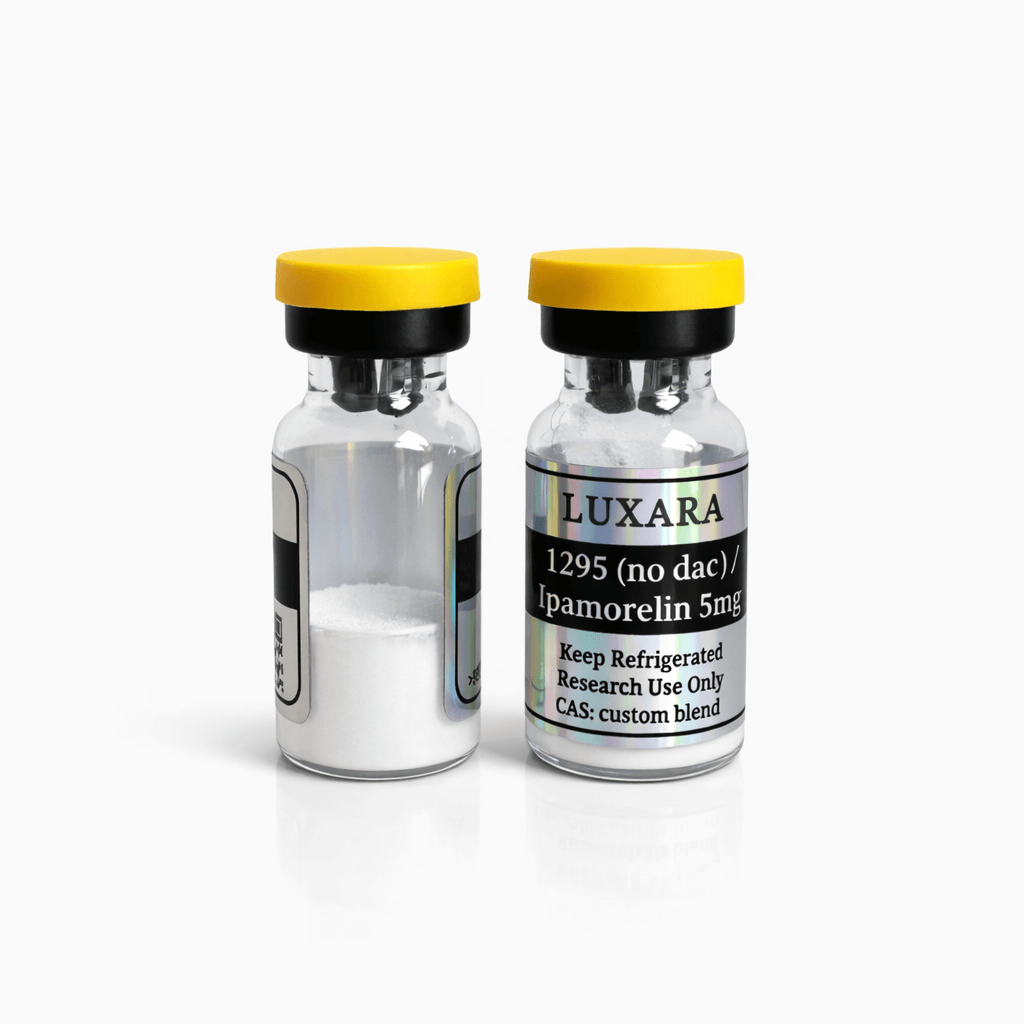
Most home-use products for this category come as lyophilized (freeze-dried) peptide powder that you reconstitute with sterile bacteriostatic water or another manufacturer-recommended solution. Blends may include CJC-1295 and ipamorelin together, sometimes with specific ratios.
Common formats you’ll see:
- Vial(s) labeled as CJC-1295, ipamorelin, or a combined blend (often powder requiring reconstitution).
- Pre-filled dosing systems in some markets (less common for peptide blends; still varies).
- Different peptide variants (for example, “DAC” versions are marketed differently from non-DAC variants).
Quality signals to look for (practical checklist):
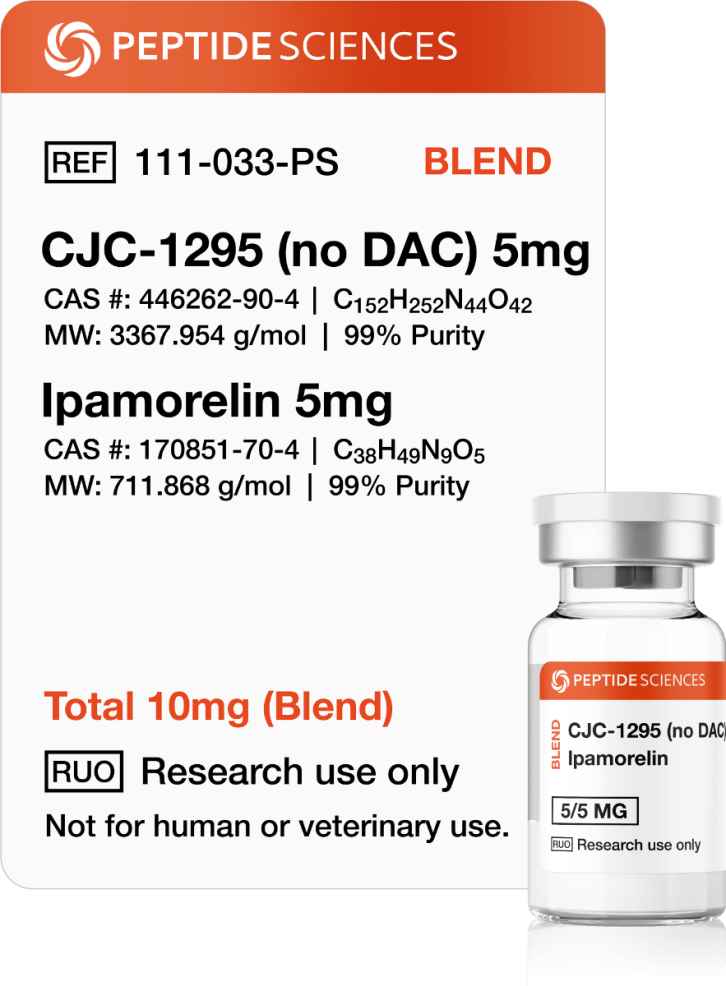
- Clear labeling of peptide identity and dosage per vial (not just marketing language).
- Batch-specific documentation like COAs (certificate of analysis) that match the product you’re buying.
- Transparent sourcing and storage guidance (how to keep powders stable).
- Consistent customer support that answers questions about reconstitution and dosing measurements.
- Packaging that reduces moisture exposure and supports proper storage.
If a product listing is vague, changes language frequently, or doesn’t provide credible quality documentation, it’s a red flag. In consumer terms, poor quality can mimic “no results” or create unpredictable experiences—so it directly impacts the question how long to see results on CJC-1295 ipamorelin.
Comparison of Common Options
Below is a consumer-friendly comparison of common “ways people buy/use” CJC-1295 + ipamorelin products. Actual dosing and results vary by brand, ratio, and reconstitution method—so treat this as a framework, not a prescription.
Buying Framework and Red Flags
Since the question how long to see results on CJC-1295 ipamorelin is partly “how long until you know if it’s worth continuing,” choosing a trustworthy product reduces wasted time. Here’s a buying framework you can apply quickly.
Checklist (use before you buy):
- Does the product listing clearly state what peptides are inside and the ratio/dose per vial?
- Is there batch-specific testing documentation (COA) you can match to the lot number?
- Are storage and handling instructions included (reconstitution, refrigeration guidance, shelf-life after mixing)?
- Is the brand transparent about sterile supplies and technique expectations?
- Does customer service answer reconstitution/dosing questions without dodging specifics?
- Do they avoid “guaranteed results” claims or “you will feel X in Y days” promises?
- Are the return/refund policies clear if you receive something that looks off?
Red flags: vague labeling (“proprietary blend” with no numbers), refusal to provide lot-specific testing, sudden listing changes, unusually low pricing compared with similar documentation, and marketing that pushes timelines as guarantees. If you see those, your “how long should I wait” question becomes pointless because you don’t even know what you’re getting.
Common Mistakes and How to Avoid Them
People rarely fail because they “waited too long” for peptides—they fail because they introduce confounding variables or skip the basics.
- Changing multiple variables at once: If you change training, calories, sleep schedule, supplements, and dosing, you can’t tell what helped.
- Inconsistent dosing: If reconstitution is not measured the same way each time, you may end up with under- or over-dosing.
- Skipping sterile technique: Basic hygiene and careful needle handling matter because infections are not “worth it.”
- Not tracking: If you don’t measure sleep and waist/weight trends, you’ll keep guessing about how long to see results on CJC-1295 ipamorelin.
- Expecting a body-change timeline in days: “Feeling something” may appear in 1–3 weeks, but visible body-composition changes usually take longer.
- Ignoring side effects: If you notice unusual symptoms, stop and seek appropriate medical guidance.
FAQ
Is CJC-1295 ipamorelin proven to work for women over 55?
There is scientific interest in how peptides in this category can influence growth hormone signaling, but “proven” in the sense of consistent, long-term, consumer-grade outcomes for 55+ women using specific retail blends is not as straightforward. Expect variable responses and prioritize quality and safe use practices.
How long to see results on CJC-1295 ipamorelin in the first 2–3 weeks?
Many people look for subtle signs around 1–3 weeks (sleep quality, perceived recovery, or appetite/craving changes). Body-composition changes typically require longer consistency plus diet/training alignment, so early effects are not guaranteed.
What side effects are commonly reported with CJC-1295 and ipamorelin blends?
Reports vary, but commonly mentioned issues in consumer discussions include injection-site irritation, headaches, joint aches, or changes in appetite/sleep. Any unusual, persistent, or severe symptoms should be treated seriously—pause use and seek professional medical input.
Can CJC-1295 ipamorelin combine with other supplements (like collagen, creatine, or vitamins)?
Some users combine with common supplements, but safe combining depends on your health status and the exact products involved. If you take medications or have medical conditions, discuss combinations with a clinician, and avoid adding several new supplements at once so you can attribute changes.
Oral vs injection: is oral an alternative to CJC-1295 ipamorelin for results?
Most CJC-1295 and ipamorelin products sold for this niche are injectable powder blends; “oral alternatives” marketed online may not match the same peptide form or dose delivery. If you’re considering oral options, compare ingredient identity, dose, and evidence—and be especially cautious with products that don’t provide clear labeling and quality documentation.
A Practical 2-Week Experiment Framework
If you want a consumer-review answer to how long to see results on CJC-1295 ipamorelin, the fairest method is a structured experiment. Here’s a 2-week framework that helps you decide whether you feel a meaningful signal worth continuing.
| Day(s) | What to do | What to track |
|---|---|---|
| Day 1 | Set baseline measurements; choose one consistent routine for food/training. | Sleep start time, awakenings (rough log), energy rating, waist/weight/photo notes. |
| Days 2–7 | Keep dosing consistent; don’t change multiple supplements. | Any headaches, appetite shifts, injection-site comfort, perceived recovery after workouts. |
| Days 8–14 | Continue consistent routine; refine only one variable if needed (e.g., steps). | Average sleep quality, cravings/routine hunger, training performance notes, side effects list. |
Decision rule: If you see no trend at all by the end of week 2—no sleep pattern improvement, no subjective recovery change, and no reduction in negative symptoms—consider pausing rather than assuming “you just didn’t wait long enough.” Then, evaluate whether the likely limiting factors were lifestyle consistency, dosing consistency, or product quality documentation.
About the Author
Jordan Hale — a consumer health writer with 8+ years editing shopping guides and long-form product explainers for adults 45+.
Review experience: Jordan has compiled buyer-facing reviews using standardized outcome tracking (sleep logs, waist/photographs, and workout notes) and emphasizes batch documentation, clear labeling, and real-world failure cases.
Disclaimer: This content is for informational purposes and reflects consumer-style observation frameworks—not medical advice, diagnosis, or a promise of outcomes. If you’re pregnant, nursing, have a medical condition, or take medications, consult a qualified clinician before using any peptide product.
Final consumer takeaway: for the question how long to see results on CJC-1295 ipamorelin, plan around week 2 for subtle signals, and treat any larger body-composition changes as a longer, lifestyle-dependent process rather than an immediate payoff. Quality, consistency, and safe use are the real “timeline multipliers.”
Discussion